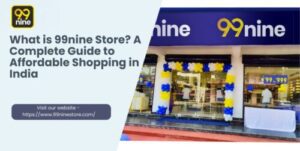





The Indian retail landscape is witnessing a seismic shift. If you walk through any bustling market in a Tier 2 or Tier 3 city today, you will notice a new breed of shops outshining the traditional kiranas. These are the Affordable Variety Stores India Growth engines—bright, organized, and incredibly cheap. But why is this happening now? The answer lies in the massive expansion of Value Retail in India.
As we move through 2026, the demand for high-quality products at rock-bottom prices has reached a fever pitch. From home décor to quirky kitchen gadgets, the “dollar store” model has been localized and supercharged for the Indian consumer. This blog explores the mechanics behind this boom and why Value Retail in India is the most exciting sector for investors and franchise owners alike.
The Rise of Value Retail in India: A Macro View
The numbers don’t lie. Value Retail in India, excluding food and groceries, is projected to surge to $170 billion by the end of 2026. This segment is growing at a compound annual growth rate (CAGR) of 15%, significantly outperforming the broader retail industry. What is driving this? It is the perfect storm of rising aspirations and a disciplined low-cost high-volume business model.
When we discuss Affordable Variety Stores India Growth, we are talking about a fundamental change in how the “common man” shops. No longer content with unbranded, dusty items from the unorganized sector, the modern shopper wants the “mall experience” without the mall price tag. Value Retail in India bridges this gap perfectly.
Key Market Statistics for 2026
| Category | Estimated Growth (2026) |
| Value Retail Market Size | $170 Billion |
| Organized Retail Share | 21% (Rising) |
| Target Cities | Tier 2, Tier 3, and Tier 4 |
| Average Transaction Value (ATV) | ₹500 – ₹2,500 |
Why Tier 2 and Tier 3 City Retail Expansion is the Real Story
For decades, big brands ignored “Bharat” in favor of “India” (the metros). That was a mistake. Today, Tier 2 and Tier 3 city retail expansion is the primary driver of the Affordable Variety Stores India Growth phenomenon. Cities like Lucknow, Jaipur, and Nagpur are seeing a surge in organized retail footprints because land costs are lower and the hunger for brands is higher.
Have you ever wondered why a store in a small town often has a higher footfall than one in South Delhi? It’s because of aspirational middle class consumption. These consumers have seen global trends on their screens and now want those products in their living rooms. Value Retail in India provides exactly that—lifestyle products that look premium but cost less than a pizza.
Organized Retail vs Unorganized Sector
The battle of organized retail vs unorganized sector is finally leaning toward the former. While local shops still dominate, variety stores offer a “touch and feel” experience, air-conditioning, and standardized pricing that local vendors cannot match. This transparency is a huge win for Value Retail in India.
The Secret Sauce: Low-Cost High-Volume Business Model
How does a store sell a sleek ceramic vase or a sturdy frying pan for just ₹99? It isn’t magic; it’s a low-cost high-volume business model. These stores operate on thin margins but move massive amounts of inventory. In the world of Value Retail in India, speed is everything.
Private Label Brands in India
One major strategy used by players like 99nine Store (https://www.99ninestore.com/) is the heavy use of private label brands in India. By manufacturing or sourcing directly, these retailers eliminate the middleman. This control over the supply chain is a cornerstone of Affordable Variety Stores India Growth, allowing for rapid stock refreshes that keep customers coming back every week.
Discretionary Spending Trends 2026
Even with global economic fluctuations, discretionary spending trends 2026 show that Indians are still spending on “small luxuries.” A consumer might postpone buying a car, but they won’t hesitate to spend ₹199 on a new set of organizers or a trendy lamp. This resilience is what makes Value Retail in India recession-proof.
Lifestyle and Home Decor Franchises: The Opportunity for 2026
If you are a business owner or an aspiring entrepreneur, the growth of lifestyle and home decor franchises is something you cannot ignore. The Affordable Variety Stores India Growth trend has made it easier than ever to start a profitable business with a relatively low investment.
Average Transaction Value (ATV) in Value Retail
The Average Transaction Value (ATV) in value retail typically ranges from ₹500 to ₹2,500. While the individual items are cheap, the “basket size” is large. Customers walk in for a pen and walk out with a bag full of household essentials. This high ATV is the reason why Value Retail in India is currently the darling of the franchise world.
Omnichannel Retail Strategy
In 2026, a physical store isn’t enough. The most successful variety stores employ an omnichannel retail strategy. They use social media for discovery and local stores for fulfillment. This hybrid approach ensures that Value Retail in India remains relevant to the Gen Z and Millennial demographic who are always on their phones.
Comparison: Traditional Kirana vs. Modern Variety Store
| Feature | Traditional Kirana | Modern Variety Store (e.g., 99nine) |
| Product Range | Essentials/Groceries | Lifestyle, Décor, Toys, Kitchen |
| Shopping Experience | Counter-based | Self-service / Browsing |
| Pricing | MRP-based | Fixed Value (₹99 – ₹999) |
| Technology | Cash / Limited UPI | POS, Inventory Software, Omnichannel |
| Aesthetics | Functional | Trendy / Organized |
Critical Factors for Success in Value Retail
To succeed in Value Retail in India, one must understand that “cheap” does not mean “bad.” The 2026 consumer is smart. They want value, not junk. Here is how leading players maintain their edge:
- Curation: Offering 2,500+ products across 12+ categories ensures there is something for everyone.
- Location: Focusing on high-visibility areas during Tier 2 and Tier 3 city retail expansion.
- Consistency: Ensuring that the ₹99 item today is as good as the one bought six months ago.
Value Retail in India is no longer just a trend; it is the new standard of Indian consumption. The Affordable Variety Stores India Growth story is just beginning, and for those looking to enter the market, the timing has never been better.
Conclusion
The explosion of Value Retail in India is a testament to the changing aspirations of 1.4 billion people. By focusing on the Affordable Variety Stores India Growth model, retailers are tapping into a market that values both quality and economy. Whether it is through an omnichannel retail strategy or a focus on private label brands in India, the goal remains the same: democratizing lifestyle products for every Indian household.
As the organized retail vs unorganized sector shift continues, the opportunities for lifestyle and home decor franchises will only expand. Value Retail in India is the future, and it is a future that is bright, organized, and most importantly, affordable.